
Woodstock, GA · Serving North Metro Atlanta
Hardwood Flooring Grades Explained
Clear, Select, No. 1 Common, and No. 2 Common — what each grade actually looks like, so your new floor matches what you pictured.
- 10,000 jobs completed in Georgia
- 25 Years of Experience
- Insured & Family Owned
Choosing the Right Hardwood
One of the most frustrating things in flooring is having a beautiful new hardwood floor installed that doesn't look like what you expected. Disagreements over the appearance of a grade are among the most common complaints flooring contractors deal with — and they're almost always avoidable with a little upfront explanation.
Because wood species and flooring types vary so much, there's no single standard grade that applies to every wood floor. Some grades are set by industry associations — the National Wood Flooring Association (NWFA), the Maple Flooring Manufacturers Association, and the Canadian Lumbermen's Association among them — and most unfinished solid wood flooring from the U.S. and Canada follows rules from one of those groups. Individual manufacturers can also set their own proprietary grades.
Most grading rules are about the aesthetics of the floor, not how well it holds up. Every grade performs equally well structurally; it's the facial appearance that changes. A higher grade isn't objectively "better" — it's personal taste. Grading rules also affect average board length: higher grades typically run longer boards, so expect more shorter boards if you choose a lower grade.
Oak Flooring Grades, Side by Side
Based on NWFA grading rules for solid, unfinished red or white oak — the most common wood floor installed.
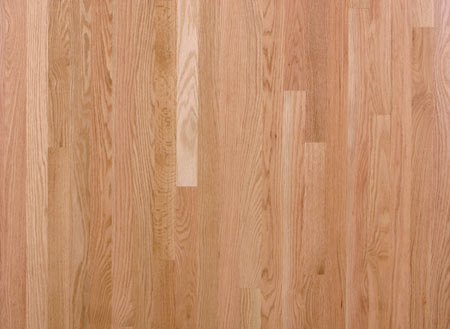
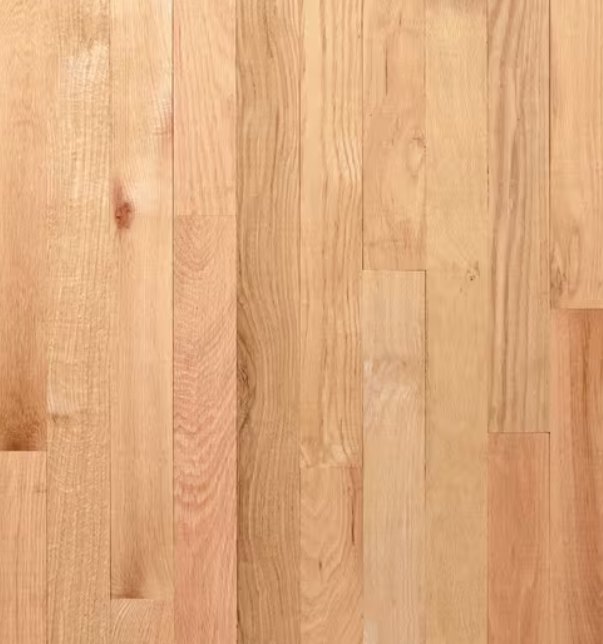
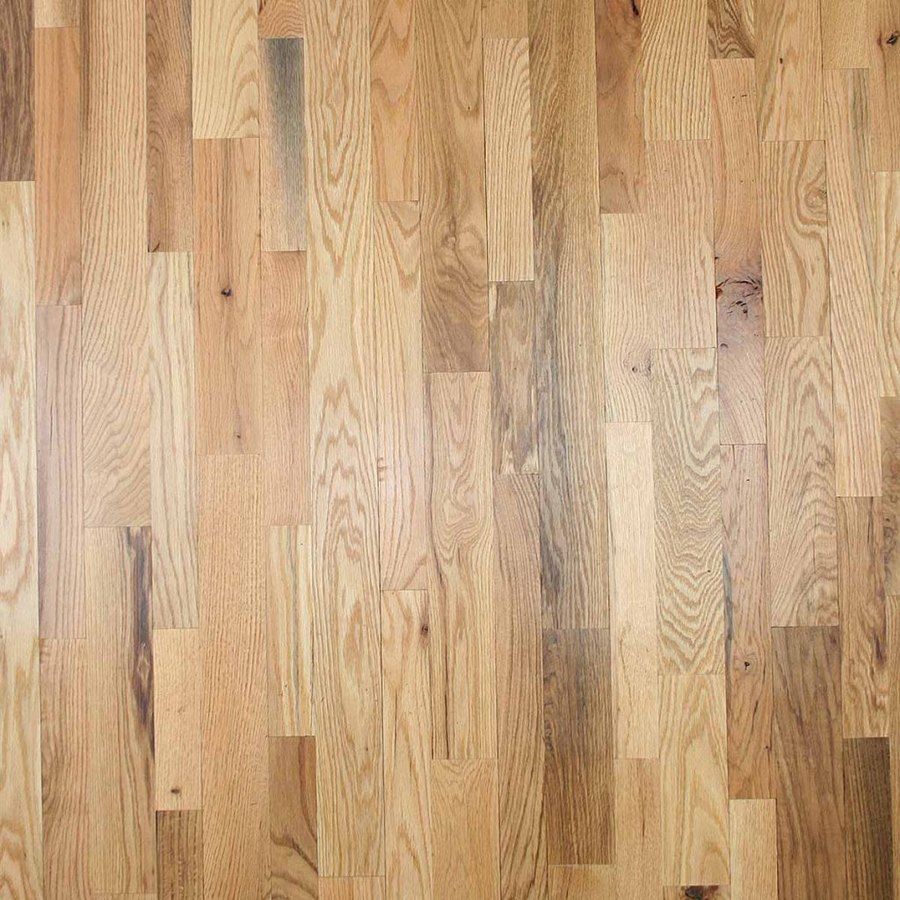
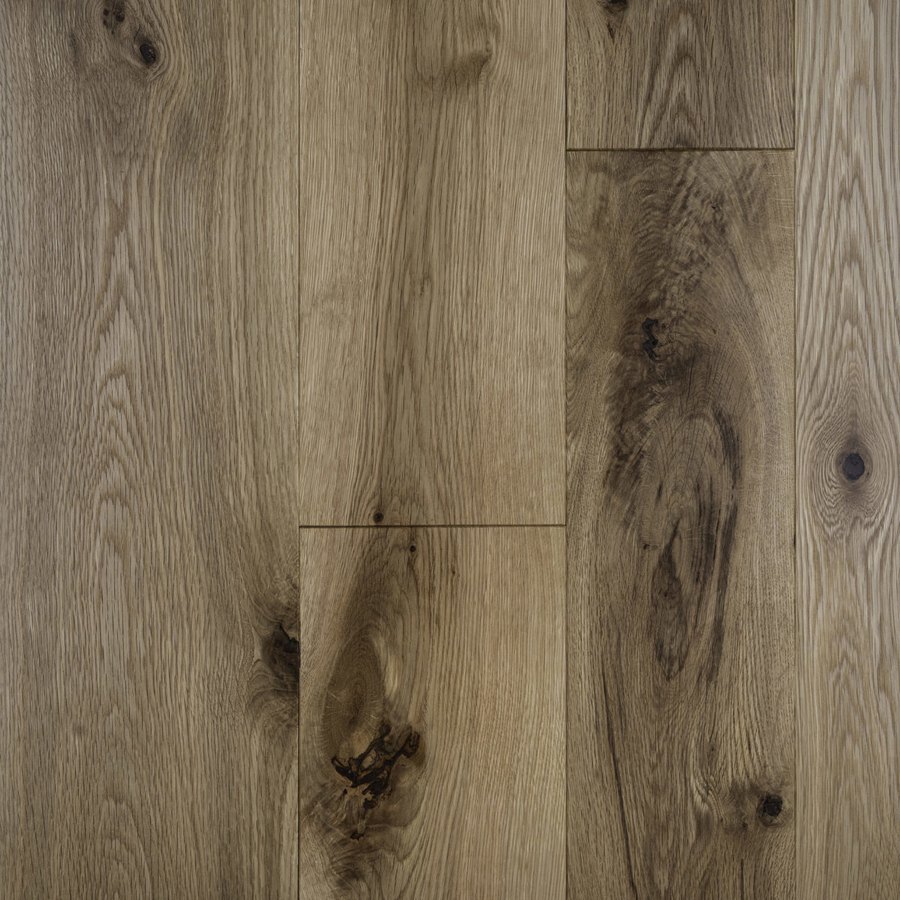
| Grade | Appearance | Average Board Length |
|---|---|---|
| Clear | Few color variations, little to no visible knots or pinholes — the most uniform grade | Longest of the four grades |
| Select | Very uniform color with very few small character marks | About 3¾ feet |
| No. 1 Common | More color variation, mineral streaks, small knots, gaps, and worm holes | About 2¾ feet |
| No. 2 Common | Rustic appearance — small to medium knots, worm holes, dark streaks, and scattered dark boards | Shortest of the four grades |
With No. 1 and No. 2 grades, the floor may look unfinished before we sand — we use a wood filler on every project of that grade as a normal part of the sanding process, not a sign anything's wrong.
Not Sure Which Grade Is Right for You?
Bring your questions to a free on-site estimate — we'll bring samples so you can see each grade in person before you decide.
How the Cut Affects the Look
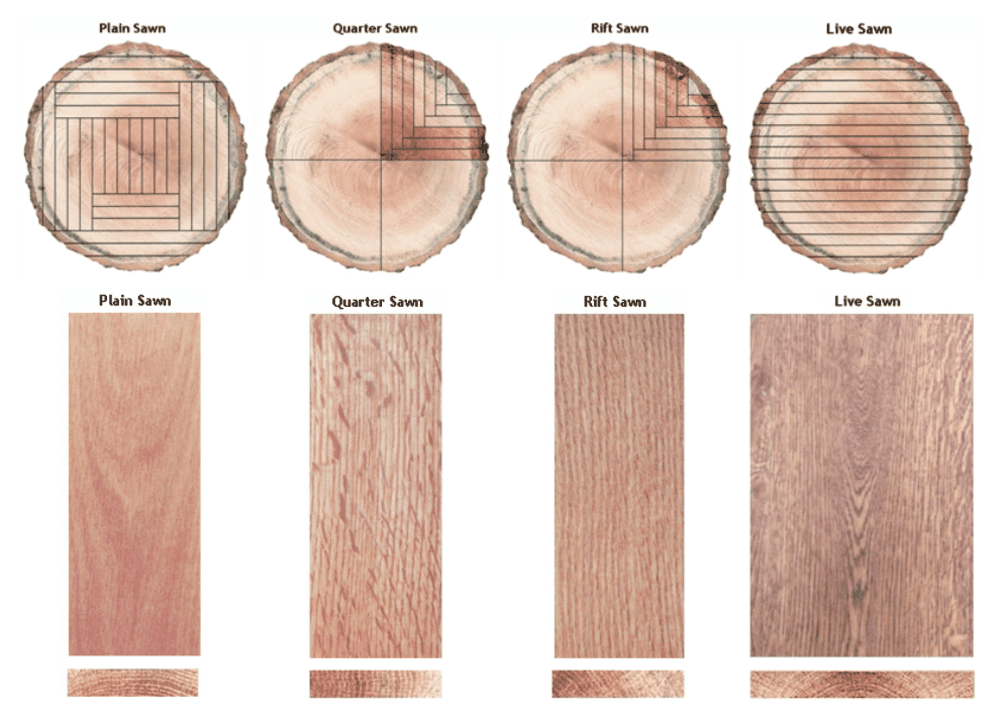
Grade isn't the only thing that changes a floor's appearance — how the flooring was cut from the log matters too. Plainsawn flooring shows a lot of variation in grain pattern across the surface. Rift-sawn or quarter-sawn flooring has a much more uniform, straight grain pattern, which is part of why it tends to cost more to produce.
Grading Works Differently for Engineered Floors
Most engineered wood manufacturers skip the Clear/Select/No.1/No.2 system entirely and use product or brand names instead, categorized by veneer, finish, and milling. Solid wood flooring generally has average length requirements; most engineered floors don't. Manufacturer product lines typically span three or more tiers, from a premium level down to what's generically called cabin grade.
At the premium tier, flooring has almost no milling defects and minimal character marks — knots, mineral streaks, or pin-sized worm holes. The next tier, often labeled character grade, allows more natural character and some minor milling defects that can show up as overwood, small finish skips, or shorter average lengths — and it's a common choice for darker-colored floors where mineral streaks blend in well. Cabin-grade floors allow unlimited character marks and milling defects, with warranty coverage scaled down to match.
Character Grade White Oak
Character Grade White Oak, made from North American white oak, is known for its distinctive charm — knots, mineral streaks, and other natural markings that can be filled to create a smooth, visually appealing surface. It brings a warm, rustic feel that works in traditional homes and modern spaces alike, and super-wide planks in this grade have become especially popular for the sense of scale they add to a room.
We finish Character Grade White Oak with the Bona Sealer & Finish System, which brings out the wood's natural color while holding up to daily wear. For homeowners who want to avoid the yellowing or ambering that oil-based polyurethane can develop over time, we also offer water-based finish options that keep the wood's natural tone true for years to come.
Choosing With Confidence
If you want a floor with almost no rustic character, choose Clear or Select grade. No. 1 grade will show a few holes and rustic features that remain after sanding and finishing. If knots, wormy areas, pinholes, or fissure cracks aren't acceptable to you, skip No. 2 or character grade entirely — those marks are part of what defines the grade and won't disappear during refinishing.
Because wood is a natural material, no two boards are ever exactly the same, and one floor of a given grade can look slightly different from another floor of the same name. That's exactly why we recommend seeing a large sample of the actual floor before you place an order — it keeps your expectations lined up with what actually gets installed.
Common Types of Wood, In Plain Language
- Clear Grade — the most uniform grade, with few color variations and little to no visible knots or pinholes
- Select and Better — slightly below Clear, still largely uniform with little to no knots or pinholes
- No. 1 Common — more color variation, shorter and more varied board length, and a greater chance of visible knots and pinholes; the most popular grade in the U.S.
- No. 2 Common — natural character throughout, with darker and lighter boards, shorter lengths, and more visible knots, worm holes, and pinholes
All wood floors need some amount of putty filler, stain pen, or wax pen touch-up over time, regardless of grade — how much simply depends on which grade you chose.
Frequently Asked Questions
What's the real difference between Select and No. 1 Common?
It's mostly appearance, not quality — both perform the same structurally. Select grade is uniform in color with very few character marks and longer average board lengths. No. 1 Common has more color variation, mineral streaks, and character marks like small knots, with shorter average boards.
Does a lower grade mean lower quality?
No. All grades perform equally well — grading is about facial appearance, not durability. A higher grade is not objectively better, it's a matter of personal taste and how rustic or uniform you want the floor to look.
Can I mix grades in the same floor?
It's not typical, and we don't recommend it — mixing grades in the same room usually looks like a mistake rather than an intentional design choice. If you want variation, character or No. 2 grade already delivers that within a single, consistent grade.
Do engineered floors use the same grading system?
No. Engineered manufacturers generally use product or brand names instead of the Clear/Select/No.1/No.2 system, categorized by veneer, finish, and milling — ranging from a premium tier down to what's generically called cabin grade.
Can I see a sample before I commit to a grade?
Yes, and we strongly recommend it. Because wood is a natural material, no two boards are identical, so seeing a large sample of the actual grade and species is the best way to make sure your expectations match what gets installed.
Request a Free Estimate
Tell us about your floors and we'll call or text to set up your free on-site estimate — usually the same business day.
Thanks — We'll Be In Touch
A member of The Hardwood Guys team will call or text you to schedule your free on-site estimate. We schedule 24/7.